

Clinical Insights

Acute Low Back Pain: Mobile Physio Solutions

What causes sudden low back pain, and how a tailored mobile physiotherapy plan can help you recover safely in your own environment.

IntegratePHYSIO Part of the IntegratePHYSIO Group
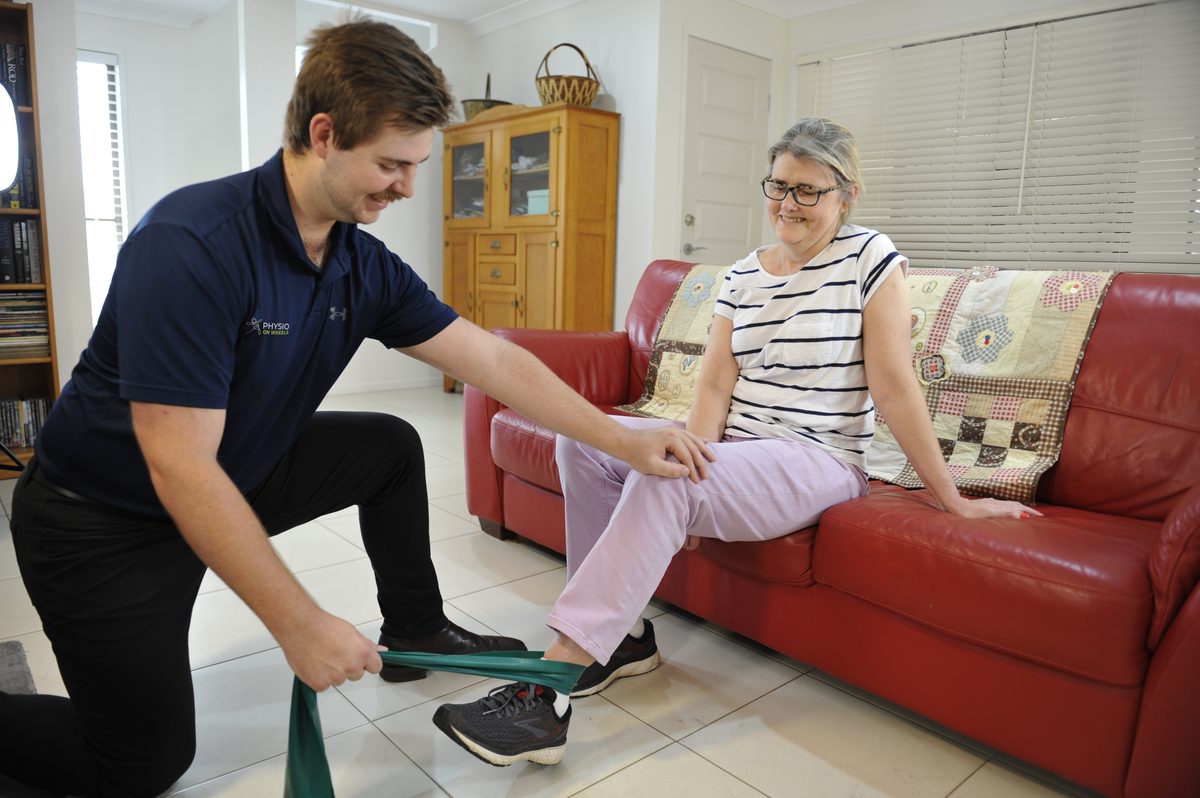
A person experiencing acute lower back pain at home
Practical rehabilitationRecover safely, with support at home.

Back pain is a common challenge affecting many, significantly impacting daily life. For those constantly on the move or unable to visit a clinic easily, understanding the triggers and employing mobile physiotherapy management strategies is key, especially for acute low back pain (LBP) that lasts a short period.

What is Acute Low Back Pain?

Acute LBP results from irritation or damage to back muscles, nerves, bones, or spinal structures. Its sudden onset demands immediate, flexible treatment options to prevent long-term complications.

Common Causes of Acute LBP

  • Muscle Strains: From overstretching or stressing back muscles and ligaments.
  • Nerve Compression: Such as sciatica, often due to a herniated disk.
  • Arthritis: Degeneration affecting the spine’s mobility and comfort.
  • Kidney Problems: Conditions causing referred back pain.
  • Other Disorders: Including tumors or spine issues triggering pain.

Recognizing these causes is crucial in navigating the next steps for relief and prevention.

Initial Mobile Physio Treatment Protocol

  • Rest and Mobility: Avoid complete inactivity, instead opting for gentle movement within pain tolerance.
  • Icing: Initially apply ice to reduce inflammation, following a safe schedule.
  • Avoid HARM: In the first few days, steer clear of Heat, Alcohol, Re-injury risks, and premature Massage.
  • Medication: As advised by healthcare professionals, consider over-the-counter options for initial relief.

Advanced Mobile Physio Interventions

  • Tailored Physiotherapy: Personalized exercises and guidance to relieve pain and prevent recurrence, delivered at your location.
  • Heat Application: Post-acute phase, use heat to relax muscles, advised by your mobile physio.
  • Mindfulness and Relaxation: Techniques to manage pain and stress, enhancing recovery.

Prevention Strategies On-the-Go

  • Stay Active: Incorporate exercises focusing on spinal health and core strength into your routine.
  • Weight Management: A balanced diet and regular exercise maintain a healthy weight, easing lower back stress.
  • Ergonomic Mobility: Adopt back-friendly practices even outside traditional workspaces to prevent strain.

Personalized Care and Flexibility

  • Thorough Communication: Share detailed information about your condition for tailored treatment plans from your mobile physio.

Effectively managing acute LBP with a mobile physiotherapy approach combines immediate care, professional guidance, and lifestyle adjustments. Staying active, keeping weight in check, employing ergonomic habits, and seeking timely mobile physio advice can empower individuals to navigate acute LBP and maintain an active, healthy lifestyle. Your back is your body’s cornerstone; caring for it ensures a stronger foundation for life’s activities.

Contact Physio on Wheels on 1300 895 169 today to schedule your mobile appointment and reclaim your mobility and the comfort you deserve.

Ready to get started?

A real person will call within 24 hours of your request.

Request a Visit Refer a Client
Blog

Mobile Physiotherapy – Bringing Wellness to Your Doorstep

How in-home physiotherapy fits around your life, your space and the people who support your recovery.

IntegratePHYSIO Part of the IntegratePHYSIO Group
Mobile Physiotherapy – Bringing Wellness to Your Doorstep – Physio on Wheels
Clinical insightsPractical guidance from our physiotherapy team.

In the hustle and bustle of contemporary life, finding time for self-care, particularly for physiotherapy sessions, can often feel like a chore. Mobile physiotherapy, an innovative and versatile approach to physical therapy, has emerged as a beacon of convenience and personalised care. It’s tailored not only to fit your schedule but also your immediate environment. Here, we explore the benefits of mobile physiotherapy, which is rapidly gaining popularity due to its unique advantages over traditional in-clinic services.

Discover the unique benefits of mobile physiotherapy

  • Catered to your lifestyle. Unlike typical physiotherapy clinics that operate on set schedules, mobile physiotherapy moulds itself to fit snugly into your life. It eliminates the stress of synchronising with clinic appointment slots, offering you the freedom to receive treatment at times that suit your personal commitments and preferences.
  • In-home evaluation and personalised care. Having a mobile physiotherapist visit your home allows them to pinpoint environmental factors that may be contributing to your physical issues. Be it the ergonomics of your home office, the setup of your kitchen, or that seemingly comfy yet problematic chair, the physiotherapist can identify and suggest practical alterations to aid in your recovery.
  • Exercises tailored to your environment. Recreating the setting of a physiotherapy clinic at home can be impractical and often impossible. Mobile physiotherapy shines by allowing professionals to adapt your therapeutic exercises to your home space. Leveraging the available furniture and surroundings, the exercises prescribed will seamlessly integrate into your daily routine, enhancing their effectiveness.
  • Engaging family support. Mobile physio allows for the invaluable inclusion of family members or carers during sessions. This means they can receive firsthand guidance from the physiotherapist, ensuring they are well-equipped to assist you throughout your treatment plan.
  • Recovery sans the commute. The benefits of a great therapy session shouldn’t be undone by a taxing commute back home. With mobile physiotherapy, you can begin the recovery process immediately post-session, allowing you to relax and rest in the familiar comfort of your own home, enjoying uninterrupted post-therapy peace.
  • Affordability and expertise. Physio on Wheels brings the expertise of seasoned physiotherapists directly to your doorstep. We offer high-quality care with the option of assistance from physiotherapy assistants, making this crucial health service more affordable without compromising on the quality of your treatment.

Evidence speaks: mobile physiotherapy takes the lead in effective care

Recent research highlights the success of mobile physiotherapy. According to a study in the Journal of Telemedicine and Telecare, mobile physiotherapy surpasses traditional in-person therapy in treating chronic low back pain. Another study in the Journal of Orthopaedic & Sports Physical Therapy reveals its effectiveness in enhancing function and reducing pain for patients with knee osteoarthritis.

Fatoye F, Gebrye T, Fatoye C, Mbada CE, Olaoye MI, Odole AC, Dada O. The Clinical and Cost-Effectiveness of Telerehabilitation for People With Nonspecific Chronic Low Back Pain: Randomized Controlled Trial. JMIR Mhealth Uhealth 2020;8(6):e15375. doi: 10.2196/15375. PMID: 32357128.

Interested in learning more about how mobile physiotherapy can change the way you view and receive treatment? Contact us on 1300 895 169 today. Get in touch to book your appointment and start your seamless recovery with our mobile physiotherapy professionals.

Discover the proven effectiveness of mobile physiotherapy — an all-encompassing approach to elevate your well-being.

Ready to get started?

A real person will call within 24 hours of your request.

Request a Visit
Blog

Is Dry Needling and Acupuncture the Same Thing?

Both techniques use needles, but they differ in origin, purpose and approach — here’s what actually sets dry needling, Western acupuncture and traditional acupuncture apart.

IntegratePHYSIO Part of the IntegratePHYSIO Group
Is Dry Needling and Acupuncture the Same Thing? – Physio on Wheels
Clinical insightsPractical guidance from our physiotherapy team.

In the field of physiotherapy, two needling methods often come up: dry needling and acupuncture. These two techniques might both involve needles, but they differ in their origins, goals and uses. Let’s explore the differences in more depth.

Dry needling

This method involves penetrating the skin with needles aimed at altered or dysfunctional tissue. It’s regularly used to needle muscle trigger points to achieve reflexive muscle relaxation.

Western acupuncture

This technique adopts traditional needling meridians and trigger points but is adapted to Western anatomy. It aims to create local tissue changes, as well as effects in the spine and brain, to provide pain relief and improve muscle function. However, Western acupuncture is not seen as a traditional Chinese medicine practice.

Traditional acupuncture

This practice finds its roots in traditional Chinese medicine. It uses meridian lines and points based on traditional evaluation methods.

Safety standards

Physiotherapists trained in either acupuncture or dry needling adhere to strict safety standards. These are regulated by the Australian Health Practitioner Regulation Agency and the Physiotherapy Board of Australia, and include mandatory training levels, registration, and safety measures for the protection of the public.

Side effects

Minor side effects can include pain, bleeding or bruising from the needle insertion, which is common. Major adverse events, such as pneumothorax or excessive bleeding, are rare.

References

  • Hing, W., & McCutcheon, L. (2022). Physio ‘dry needling’ and acupuncture – what’s the difference and what does the evidence say? Daily Maverick.
  • Integrate Physio

Ready to get started?

A real person will call within 24 hours of your request.

Request a Visit
Blog

Frailty

Frailty is a manageable syndrome, not an inevitable part of ageing — here’s what causes it, and how physiotherapy can help you rebuild strength and confidence.

IntegratePHYSIO Part of the IntegratePHYSIO Group
Frailty – Physio on Wheels
Clinical insightsPractical guidance from our physiotherapy team.

Have you ever wondered about frailty and its impact on the ageing process? This article looks at the intricacies of frailty, a complex syndrome influenced by a range of factors. We’ll walk through its physical, psychological and social components, and how to break free from the cycle of frailty.

What is frailty?

Frailty is not an inevitable part of ageing but rather a nuanced syndrome. It’s driven by a combination of factors, including muscle weakness, decreased endurance, balance issues, and the role of underlying health conditions, nutrition, and lifestyle choices.

The five criteria of frailty

Frailty is typically characterised by five criteria: weight loss, exhaustion, low physical activity, slowness, and weakness. Understanding how each of these contributes to the overall picture helps guide the right treatment approach.

Prevention and management strategies

Discover effective strategies to prevent and manage frailty, including:

  • Strength training exercises
  • Balance and stability exercises
  • Flexibility and range of motion exercises
  • Cardiovascular conditioning
  • Pain management strategies
  • Individualised treatment plans

Breaking the cycle of frailty

Managing frailty in older adults is vital because of declining muscle strength, reduced physical activity, and associated risks like falls and social isolation. Early intervention is key to breaking the vicious cycle of frailty, which can otherwise lead to reduced exercise, cognitive decline, and poor nutrition.

Empowering lives through physiotherapy

Frailty doesn’t have to hold you back. Our expert team of physiotherapists is dedicated to helping you build strength, move better, and enjoy life to the fullest. We offer personalised assessments and treatment plans, bringing our services right to the comfort of your home with easy exercises and helpful tips.

Our physiotherapists are ready to support you on your path to strength and resilience. Call 1300 895 169 to arrange your assessment and management — it’s never too late to start feeling stronger and more empowered.

References

  • Byeon, H., Nah, J., Byeon, H., & Nah, J. (2022). Prevention and Management of Frailty. MDPI — Multidisciplinary Digital Publishing Institute.
  • Johns Hopkins Medicine — Multisystem Failure Regarding Frailty Necessitates Multisystem Intervention.

Ready to get started?

A real person will call within 24 hours of your request.

Request a Visit
Blog

Vertigo: Is It a Disease or a Symptom?

Vertigo feels like a condition on its own, but it’s actually a symptom — here’s what causes it and how mobile physiotherapy can help you find your balance again.

IntegratePHYSIO Part of the IntegratePHYSIO Group
Vertigo: Is It a Disease or a Symptom? – Physio on Wheels
Clinical insightsPractical guidance from our physiotherapy team.

Experiencing a sensation that you, or everything around you, is spinning can be more than just unsettling — it can disrupt your life. A significant number of adults, especially those over 65, have faced vertigo at least once. However, vertigo isn’t a condition in itself but a symptom, commonly stemming from disturbances in the inner ear.

Symptoms Associated With Vertigo

  1. Sensation of spinning
  2. Dizziness
  3. Vision impairment
  4. Loss of balance, leading to falls
  5. Sensitivity to motion
  6. Ear ringing
  7. Decreased hearing ability
  8. A feeling of ear congestion

Frequent Triggers of Vertigo

  1. BPPV (Benign Paroxysmal Positional Vertigo): Brief yet intense episodes of vertigo caused by the dislocation of ear canal crystals, triggered by specific head movements.
  2. Viral Neuritis and Labyrinthitis: Continuous vertigo arising from viral inflammation in the ear.
  3. Meniere’s Disease: Recurring, severe vertigo episodes accompanied by hearing fluctuations, caused by fluid build-up in the inner ear.
  4. Acoustic Neuroma: Balance and vertigo problems caused by a benign tumour on the cranial nerve.

How Mobile Physiotherapy Brings Relief

  • Particle Repositioning Manoeuvres (PRM): This technique effectively addresses BPPV by carefully relocating the dislodged crystals in the inner ear, often resolving vertigo episodes.
  • Vestibular Rehabilitation Therapy (VRT): A specialised form of physiotherapy that helps the brain adapt to inner ear changes, improving balance and walking stability through targeted exercises.

Facing vertigo doesn’t mean enduring a perpetual whirl of discomfort. Our mobile physiotherapy team brings expert care right to your doorstep, empowering you to overcome the challenges of vertigo with a personalised therapy plan.

Call 1300 895 169 to arrange a mobile vertigo physiotherapy session tailored to your needs, and start your journey back to stability.

If you’d like to learn more about diagnosing and treating vertigo, healthdirect Australia has a helpful overview of vertigo.

Ready to get started?

A real person will call within 24 hours of your request.

Request a Visit
Blog

Improving Balance

How balance works, what can affect it, and simple exercises a physiotherapist recommends to build confidence and reduce your risk of falls.

IntegratePHYSIO Part of the IntegratePHYSIO Group
Improving Balance – Physio on Wheels
Clinical insightsPractical guidance from our physiotherapy team.

Balance is essential for everyday life, even if we don’t always realise it — it’s what keeps us safe and upright as we move. While our bodies are naturally good at staying balanced, injuries and certain conditions can still affect it.

How balance works

Several systems relay information to the brain to help keep us upright:

  • Vision (processing sight)
  • Proprioception (interpreting touch and body part location)
  • Vestibular (recognising motion, head position and orientation)

This input is processed by different parts of the brain, including the cerebellum, cerebral cortex and brainstem. The integrated information is then turned into motor output directed to the eyes and vestibular system, and to the joints and muscles.

What affects your balance

  • Ageing
  • Drugs and alcohol
  • Injury (affecting joint sensors, strength and reaction timing)
  • Neurological and cognitive conditions such as Parkinson’s disease, stroke and dementia

By challenging balance with the right amount of difficulty, we can improve it despite a medical condition or other contributing factors.

Even without an injury or condition, working on your balance is important for staying healthy as you age. As you get older, your ability to balance gradually declines and you become slower to react and prevent a fall. Regular balance exercises can help fight this decline and lower your risk of falls and injuries.

As physiotherapists, when we help someone improve their balance we start by assessing where their weaknesses or challenges lie. We then design exercises that push them just enough to feel a little unsteady, without risking a fall or injury — and as with strengthening, once these exercises become easier, we make them harder.

Balance exercises to try at home

Below are some simple exercises to improve your balance and build confidence in daily activities. Practise them somewhere safe, with clear space around you.

  • Tandem stance: stand with one foot directly in front of the other, as if on a tightrope. Hold for 30 seconds on each side. Too hard? Widen your stance. Too easy? Turn your head or close your eyes.
  • Single leg balance: stand on one leg with your hands on your hips for 30 seconds. Too hard? Lightly hold onto a wall. Too easy? Try throwing a ball while balancing.
  • Single leg balance on a soft surface: stand on one leg on a pillow or foam mat for 30 seconds. Too hard? Start on a flat surface. Too easy? Close your eyes.
  • Single leg balance with eyes closed: stand on one leg with your eyes closed, aiming for 30 seconds. Too hard? Open your eyes or hold onto something. Too easy? Try it on a soft surface.
  • Arabesques: stand on one leg with a slight bend in the knee, lean forward from the hips until your body is parallel to the ground, then return upright. Do 8-10 reps on each leg. Too hard? Keep your back toe on the ground. Too easy? Add a light weight.

Practise these exercises regularly to improve your balance and stay confident in your daily activities. Whether you’re managing an injury or simply want to stay healthy, balance training is something everyone can benefit from.

At Physio on Wheels, we bring a personalised balance exercise programme to your doorstep. Our expert allied health team members are ready to visit your home, offering tailored sessions to help improve your balance. Book your at-home session with Physio on Wheels today for a safer, more confident and balanced you.

References

  • O’Sullivan, S.B., Portney, L.G. Physical Rehabilitation, Sixth Edition. Philadelphia: FA Davis, 2014.
  • Muehlbauer, T., Roth, R., Bopp, M., Granacher, U. An Exercise Sequence for Progression in Balance Training. Journal of Strength and Conditioning Research 26(2):568-574, February 2012. DOI: 10.1519/JSC.0b013e318225f3c4
  • National Strength and Conditioning Association’s Guide to Program Design. Safe Progression for Balance Exercises. nsca.com/education/articles/kinetic-select/safe-progression-for-balance-exercises (accessed 18 September 2020)

Ready to get started?

A real person will call within 24 hours of your request.

Request a Visit
Click any text to hear it read aloud
Call Refer Request a Visit